Showing posts with label organic. Show all posts

Thursday, March 5, 2015

Make Your Own Healthy Organic Dark Chocolate


Cacao is loaded with polyphenols and antioxidants!  Eating foods with high polyphenol counts can reduce risk factors for cardiovascular disease and help protect the body from chronic disease.

1. Cacao is one of nature’s richest source of polyphenols! So much so that chocolate has a higher percentage of polyphenols and contains more antioxidant flavonoids than red wine, green tea and blueberries.

2. 100% organic cacao is also a source of magnesium, calcium, zinc, iron, copper and potassium.

3. Uplifts Mood and Elevates Energy - add cacao to your favorite cup of java for a morning pick-me-up and an immediate boost of energy. Transform ordinary smoothies and shakes into chocolate wonder with heavenly cacao.


I make many treat recipes that call for melted chocolate, chocolate chips or chocolate bars. Organic chocolate bars are so expensive and it’s really hard to find good quality chocolate chips without soy lecithin or other artificial ingredients.  

So this homemade organic chocolate is the perfect solution!  You won't believe how easy this is to make and it tastes so much better than any conventional chocolate. 


Make your own healthy organic homemade dark chocolate!

INGREDIENTS:
1/4 cup coconut oil, melted
2/3 cup 100% premium organic raw cacao powder - Rich Dark Chocolate
4 tbsp organic raw honey (add more if you like a sweeter taste)
½ teaspoon organic vanilla extract
pinch of sea salt

DIRECTIONS:

Combine all the ingredients in a small bowl and stir until well mixed and smooth. You can pour the chocolate into candy molds to make chocolate candy or you can pour the chocolate onto parchment paper and make bars. Freeze until hardened - about 30 minutes. Store the chocolate in the fridge.

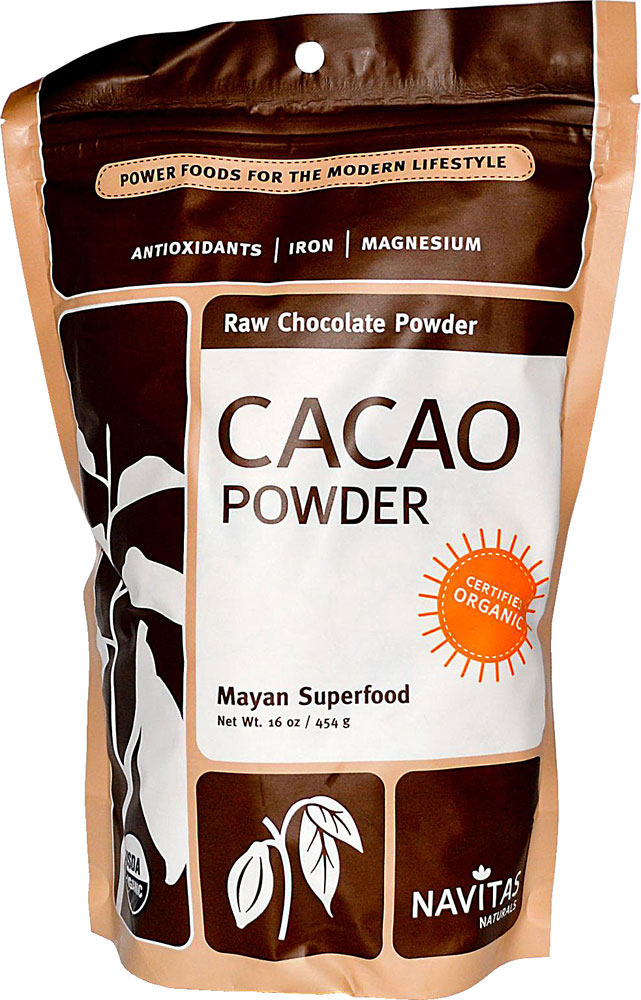
I recommend Navitas Raw Organic Cacao Powder because it is of the highest quality, sourced directly from farmer, cultivated sustainably and is certified organic, non-gmo, gluten free and raw.  

Enjoy!

Laurel ♥


Wednesday, February 11, 2015

6 Healthy Foods You May Be Overeating


Too much of a good thing can have a serious impact on your waistline and your health.

Healthy eats don’t need any free publicity, in fact, there are plenty of good-for-you foods that people tend to overdo it with.

To ensure that you're getting enough - but not too much of these healthy items, here is a list of the things you're most likely overeating right now.

1. Avocados
Avocados are great for your heart (and hair, skin, digestion, and more). That said, each one also contains 322 calories and 29 grams of fat. Use one-third of a medium avocado as a serving of fat in your meal or snack but that’s all you need to reap the benefits of the fruit.

2. Coconut
This ingredient works beautifully in your trail mix, sprinkled on your oatmeal, or drizzled in oil form on your sauté pan. It’s loaded with nutrients, including lauric acid, potassium, and fiber, but it’s another food to use with caution. Whether you're cooking with the oil or using coconut flakes in a smoothie, two teaspoons is a good amount to stick to.

3. Chia Seeds
Absolutely eat chia seeds!  They're loaded with omega-3 fatty acids, fiber, antioxidants, and protein. Just use one tablespoon on your yogurt, in your smoothies, or sprinkled on your salad. Too much of this good thing is hard on the digestive system and may trigger certain, ahem, issues if you aren't used to it.

4. Bananas
Bananas are loaded with tons of nutrition, but be careful if you're one of those people who is a creature of habit and tends to eat the same thing over and over again. Too many bananas are tough on the GI tract. In extreme cases, you can even run the risk of potassium toxicity (although this is a bigger concern for children). While there's no hard-and-fast number of bananas that would give you a potassium problem, eating no more than a couple each week is recommended, so that you have a chance to switch up the fruit you're taking in.

5. Quinoa 
A seed, not a grain, quinoa is full of fiber and protein. The calorie profile is similar to that of most grains, with about 110 calories in a half-cup. The problem? People tend to think of it as an uber-health food and don't watch their portion sizes. Use quinoa sparingly, and treat it like a starch by limiting to yourself to a half-cup serving size. You'll reap all the benefits without the added calories.

6. Smoothies
Depending on what’s in your morning cocktail, the calories can go down really easily and unlike with solid foods, your body won't register that it’s full in the same way. The best way to enjoy without going over the calorie edge? Make your smoothies at home, and assess if you would normally eat all of the food going into the blender in one sitting. My smoothie formula: one cup ice, one cup milk or milk alternative, one fruit, one fat, and a bonus like mint, cinnamon, or vanilla extract.


Laurel ♥

Sunday, February 8, 2015

HEARTY CHICKEN VEGETABLE SOUP


I just made a small batch of chicken bone broth as you may have seen from the recipe in my previous post.  So now I'm ready to prepare a delicious hearty chicken vegetable soup using the bone broth.  Here is my recipe:

Hearty Chicken Vegetable Soup

YIELD: Makes 4 to 6 servings
ACTIVE TIME: 20 min

TOTAL TIME: 40 min

Ingredients:
3 cups spring water
2 3/4 cups organic homemade chicken broth (http://healthyintuitions.blogspot.com/2015/02/how-to-make-healthy-bone-broth.html)
1 lb skinless boneless chicken breasts
1 medium organic onion, chopped
2 tablespoons organic extra-virgin olive oil
1 organic garlic clove, minced
4 medium organic carrots, cut diagonally into 1/3-inch-thick slices
2 organic celery stalks, cut into 1/3-inch-thick slices
1 teaspoon sea salt
1/4 teaspoon black pepper
3 tablespoons finely chopped organic fresh parsley
1 cup organic whole-grain noodles (optional)

Directions:
Bring water and broth to a simmer in a 2- to 3-quart saucepan. Add chicken and simmer, uncovered, 6 minutes. Remove pan from heat and cover, then let stand until chicken is cooked through, about 15 minutes. Transfer chicken to a plate and cool 10 minutes. Reserve poaching liquid, uncovered.

While chicken is poaching, cook onion in oil in a 4-quart heavy pot, covered, over moderate heat, stirring occasionally, until softened but not browned, about 6 minutes. Add garlic and cook, stirring, until fragrant, about 1 minute. Add carrots, celery, salt, and pepper and cook, covered, stirring occasionally, until softened, 8 to 10 minutes. Add poaching liquid and simmer, covered, until vegetables are tender (add noodles, if desired) and cook for 10 minutes. Remove from heat.

While vegetables are cooking, shred chicken into 1/4-inch-wide strips (about 1 inch long). When vegetables are done simmering, stir chicken into soup along with parsley.


Enjoy!


Laurel ♥

Saturday, February 7, 2015

How To Make Healthy Bone Broth


If you aren't already making bone broth regularly, I'd encourage you to start today! It is an incredibly healthy and very inexpensive addition to any diet and the homemade versions beat store bought broth in both taste and nutrition, although some amazing homemade organic broth you can buy pre-made now.

What is Broth?

Broth (or technically, stock) is a mineral rich infusion made by boiling bones of healthy animals with vegetables, herbs and spices. You’ll find a large stock pot of broth/stock simmering in the kitchen of almost every 5-star restaurant for its great culinary uses and unparalleled flavor, but it is also a powerful health tonic that you can easily add to your family’s diet.

Broth is a traditional food that your grandmother likely made often (and if not, your great-grandmother definitely did). Many societies around the world still consume broth regularly as it is a cheap and highly nutrient dense food.

Besides it’s amazing taste and culinary uses, broth is an excellent source of minerals and is known to boost the immune system (chicken soup when you are sick anyone?) and improve digestion. Its high calcium, magnesium, and phosphorus content make it great for bone and tooth health. Bone broth also supports joints, hair, skin, and nails due to its high collagen content. In fact, some even suggest that it helps eliminate cellulite as it supports smooth connective tissue.

It can be made from the bones of beef, bison, lamb, poultry, or fish, and vegetables and spices are often added.

Why Broth?

Bone broth can improve digestion, allergies, immune health, brain health, and much more.

What isn’t as well know is that broth can help reduce cellulite by improving connective tissue, increase hair growth/strength, improve digestive issues and remineralize teeth.

Broth is also helpful to have on hand when anyone in the family gets sick as it can be a soothing and immune boosting drink during illness, even if the person doesn't feel like eating.

Broth is very high in the amino acids proline and glycine which are vital for healthy connective tissue (ligaments, joints, around organs, etc).

GLYCINE
Glycine is required for synthesis of DNA, RNA and many proteins in the body. It plays extensive roles in digestive health, proper functioning of the nervous system and in wound healing.

Glycine aids digestion by helping to regulate the synthesis and of bile salts and secretion of gastric acid.  It is involved in detoxification and is required for production of glutathione, an important antioxidant.

Glycine helps regulate blood sugar levels by controlling gluconeogenesis (the manufacture of glucose from proteins in the liver).

Glycine also enhances muscle repair/growth by increasing levels of creatine and regulating Human Growth Hormone secretion from the pituitary gland.

This wonderful amino acid is also critical for healthy functioning of the central nervous system. In the brain, it inhibits excitatory neurotransmitters, thus producing a calming effect.  Glycine is also converted into the neurotransmitter serine, which promotes mental alertness, improves memory, boosts mood, and reduces stress.

PROLINE
Proline has an additional role in reversing atherosclerotic deposits.  It enables the blood vessel walls to release cholesterol buildups into your bloodstream, decreasing the size of potential blockages in your heart and the surrounding blood vessels.  Proline also helps your body break down proteins for use in creating new, healthy muscle cells.

What Kind of Broth?

Homemade, nutrient dense bone broth is incredibly easy and inexpensive to make. There is no comparison to the store-bought versions which often contain MSG or other chemicals and which lack gelatin and some of the other health-boosting properties of homemade broth.

In selecting the bones for broth, look for high quality bones from grass fed cattle or chicken. Since you’ll be extracting the minerals and drinking them in concentrated form, you want to make sure that the animal was as healthy as possible.

A Basic Bone Broth Recipe

The recipe that follows calls for beef bones, but you can also make bone broth using whole organic chicken. Each will render a different flavor. Start with chicken because it has the mildest flavor (beef tends to be more overpowering). If you're using chicken, simply place the entire chicken, raw, into the pot in place of the beef bones and proceed with the recipe as follows.

One note, if cooking a whole chicken, the meat should start separating from the bone after about 2 hours. Simply remove the chicken from the pot and separate the meat from the bones. Then place the bones back in and continue to simmer. You can even use bones from a roasted chicken or turkey carcass to make bone broth, which is incredibly cost effective since you would otherwise throw them away.

Bone Broth

Ingredients:
3-4 pounds beef bones or chicken bones
½ cup raw apple cider vinegar
4 quarts spring water
3 celery stalks, halved
3 carrots, halved
3 onions, quartered
Handful of fresh parsley
Sea salt

Directions:
1. Place bones in a pot or a crockpot, add apple cider vinegar and water, and let the mixture sit for 1 hour so the vinegar can leach the mineral out of the bones.

2. Add more water if needed to cover the bones.

3. Add the vegetables bring to a boil and skim the scum from the top and discard.
Reduce to a low simmer, cover, and cook for 24 hours (if you're not comfortable leaving the pot to simmer overnight, turn off the heat and let it sit overnight, then turn it back on and let simmer all day the next day)

4. During the last 10 minutes of cooking, throw in a handful of fresh parsley for added flavor and minerals.

5. Let the broth cool and strain it, making sure all marrow is knocked out of the marrow bones and into the broth.

6. Add sea salt to taste and drink the broth as is or store in fridge up to 5 to 7 days or freezer up to 6 months for use in soups or stews.

Eat healthy and your body will thank you!


Laurel ♥